

Healthy Aging Month: Advanced Smile Dentistry Explains Why Dental Implants Are Designed for Long-Term Stability
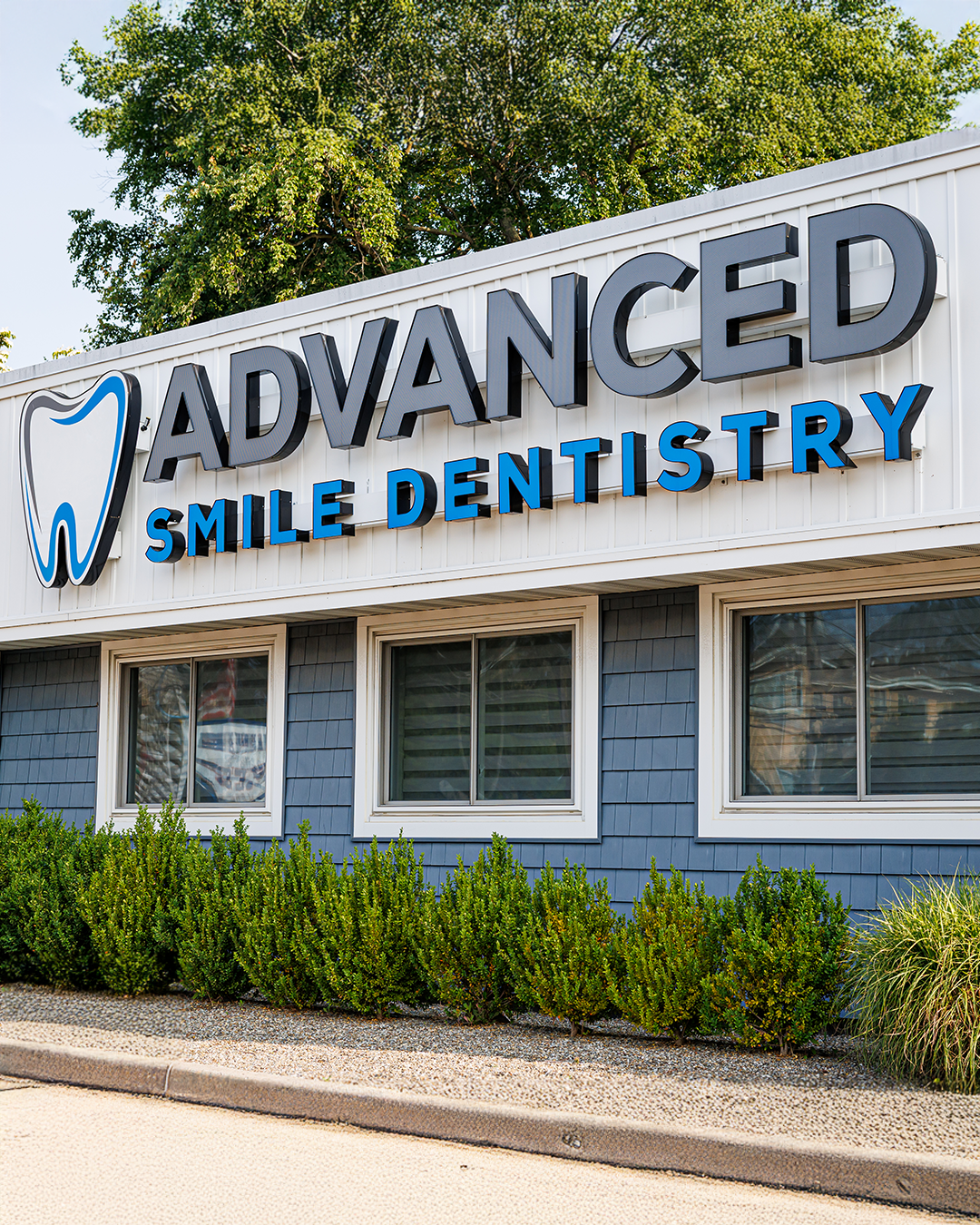
Advanced Smile Dentistry
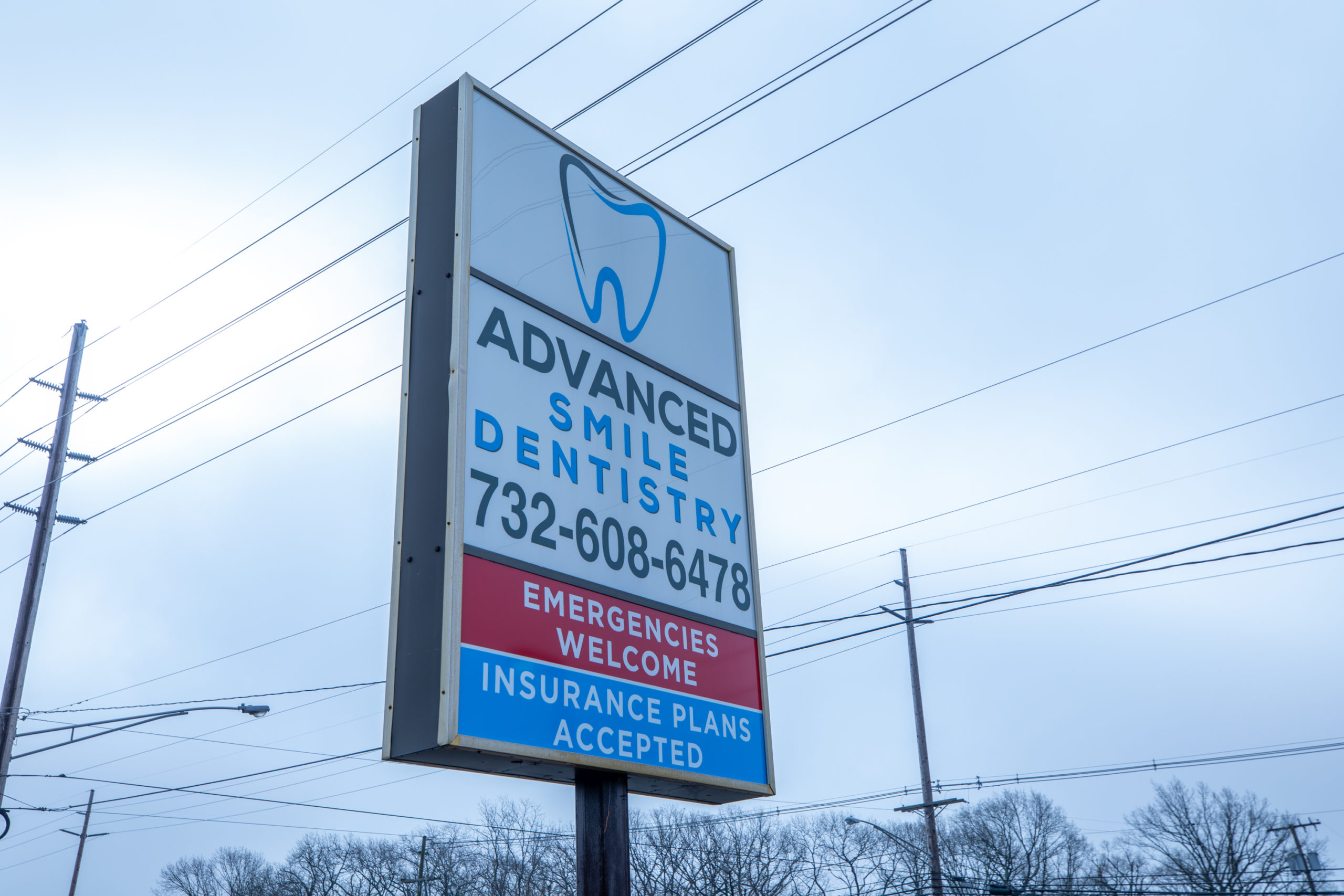
Advance Smile Dentistry Toms River Billboard
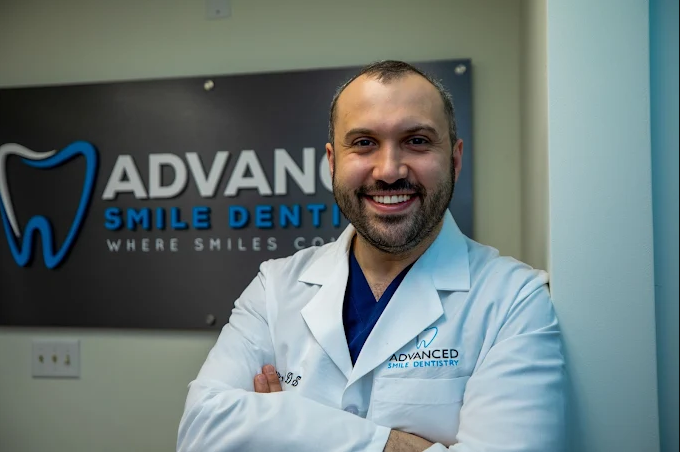
Dr. David Basar - Advance Smile Dentistry
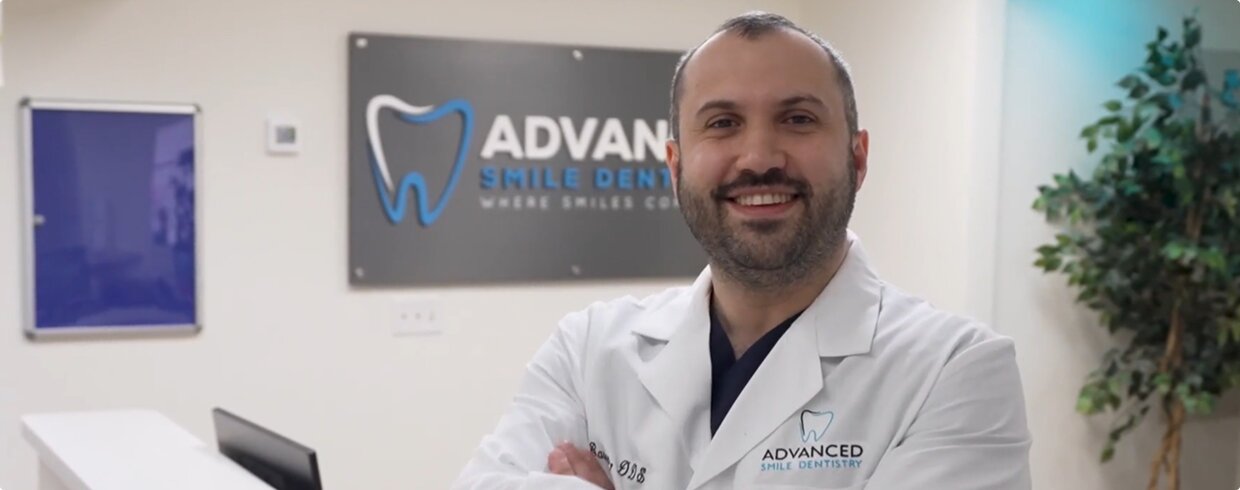
Advanced Smile Dentistry explains how osseointegration, treatment planning, oral health, and ongoing maintenance contribute to dental implant longevity.
TOMS RIVER, NJ, UNITED STATES, September 8, 2026 /EINPresswire.com/ -- In recognition of Healthy Aging Month, Advanced Smile Dentistry is helping adults in Toms River and surrounding Ocean County communities understand what makes dental implants a long-term tooth replacement option and why their longevity depends on more than the implant itself.
For adults living with missing or failing teeth, restoring a smile is often only one part of the goal. As people age, being able to chew comfortably, maintain stable oral function, and choose a tooth replacement approach designed to serve them for years becomes increasingly important.
Dental implants differ from conventional removable tooth replacement because an implant is placed within the jawbone and functions as an artificial tooth root. After placement, the implant must heal and integrate with the surrounding bone before it can provide a stable foundation for the restoration it supports.
That biological foundation is one reason dental implants are used for individual tooth replacement as well as implant-supported dentures and full-mouth dental implant treatment.
Long-term stability, however, is not automatic. It depends on how the treatment is planned, how the implant and surrounding tissues respond over time, and how the restoration is maintained after treatment.
Why Are Dental Implants Considered a Long-Term Tooth Replacement Option?
Dental implants are designed for long-term stability because they integrate with the jawbone and provide a fixed foundation for replacement teeth.
Most dental implants use biocompatible materials such as titanium. Following placement, the surrounding bone can heal around the implant surface through a biological process known as osseointegration.
Once integration occurs, the implant can support a dental crown, bridge, implant-supported denture, or full-arch restoration depending on the patient's treatment plan.
This differs from conventional removable dentures, which primarily rest on the gums and do not use implants anchored within the jawbone for support.
For patients evaluating tooth replacement options, however, "long-term" should not be interpreted as "maintenance-free" or as a guarantee that an implant or its restoration will last for life.
What Does Osseointegration Have to Do With Implant Stability?
Osseointegration is the healing process through which bone forms a stable connection with the surface of a dental implant.
It occurs after implant placement and is central to establishing the biological stability needed for the implant to support a restoration.
The process takes time. Feeling comfortable after surgery does not necessarily mean that integration is complete, which is why implant treatment typically includes a healing period and follow-up evaluation before certain restorative stages are completed.
Factors such as available bone, implant location, overall health, smoking, oral hygiene, and how forces are placed on the implant can influence treatment planning and healing.
For that reason, implant dentistry involves more than surgical placement. Diagnosis, three-dimensional planning, healing, restorative design, and maintenance all contribute to the overall treatment.
How Long Do Dental Implants Last?
Dental implants are designed as a long-term tooth replacement option, but no single lifespan applies to every implant or every patient.
Patients often hear dental implants described as a "permanent" solution for missing teeth. That wording can be misleading if it suggests an implant is guaranteed to last a lifetime or will never require professional attention.
It is also important to distinguish between the implant fixture and the restoration attached to it.
The implant fixture sits in the jawbone, while the crown, bridge, denture, or full-arch prosthesis faces everyday chewing forces and wear. Restorative components may require maintenance, adjustment, repair, or replacement over time even when the underlying implant remains functional.
How long an individual implant remains stable varies according to clinical, health, and behavioral factors. This makes long-term maintenance an important part of implant treatment, not something that begins only when a problem develops.
What Helps Dental Implants Remain Stable Over Time?
Long-term implant care begins before surgery.
A detailed evaluation helps determine whether dental implants are appropriate and allows the treatment team to assess the conditions that will support the implant and final restoration.
Important factors may include:
* Bone support: Adequate bone volume and anatomy are important considerations when planning implant placement.
* Gum and oral health: Healthy tissues around an implant are important for ongoing implant maintenance.
* Implant positioning: Three-dimensional planning helps clinicians evaluate anatomy and determine an appropriate implant position.
* Restoration design: The final restoration must be planned to function with the patient's bite and overall restorative needs.
* Oral hygiene: Implants and implant-supported restorations still require daily cleaning.
* Professional maintenance: Routine dental evaluations allow monitoring of the implant, surrounding tissues, bite, and restoration over time.
* Health and lifestyle factors: Smoking and certain medical conditions may influence healing and long-term implant health.
No single factor determines implant longevity. Long-term stability reflects the relationship between the implant, surrounding tissues, restoration, patient health, daily care, and professional maintenance.
Do Dental Implants Need Maintenance If They Cannot Get Cavities?
Yes. Dental implants require ongoing oral hygiene and professional care even though the implant itself cannot develop tooth decay.
The tissues surrounding an implant can still develop inflammation or disease. Plaque can accumulate around implant-supported crowns, bridges, dentures, and full-arch restorations just as it can around natural teeth.
Patients therefore need to clean around their implants and restorations as their dentist recommends and continue routine professional evaluations.
These visits provide an opportunity to assess the health of the tissues around the implant, evaluate the restoration, check the bite, and identify changes that may require attention.
This is one reason describing implants as "maintenance-free" can create the wrong expectation. Their long-term value depends partly on what happens after treatment.
What Does Healthy Aging Have to Do With Tooth Replacement?
Healthy aging is not simply about living longer. For many adults, it also means maintaining the ability to eat a varied diet, communicate comfortably, participate socially, and preserve independence in everyday life.
Oral function can contribute to those goals.
Missing or failing teeth may change how a person chews, which foods they select, or how comfortable they feel speaking and smiling. Adults sometimes adapt gradually to these changes and may not immediately recognize how much their oral function has changed.
Restoring missing teeth does not reverse aging, and dental implants are not necessary for every older adult. However, for appropriate candidates, implant-supported tooth replacement can be considered as part of a broader plan to restore stable oral function.
"Healthy aging is about thinking beyond the immediate problem and considering how today's treatment decisions may support function years from now," said Dr. David Basar, DDS, Founder and Lead Dentist at Advanced Smile Dentistry. "With dental implants, long-term stability starts with proper planning, but it also depends on healing, the final restoration, oral hygiene, and continued maintenance."
Are Dental Implants Only for Younger Adults?
No. Age alone does not determine whether someone can receive dental implants.
Implant candidacy is based on the individual patient's oral and overall health, available bone, healing considerations, current medications and medical history, restorative needs, and ability to maintain the implant-supported restoration.
For older adults, this individualized evaluation matters because health histories and dental needs can vary considerably among patients of the same age.
Some adults may be candidates for an individual implant. Others who have lost many teeth or have widespread failing teeth may need a more extensive restorative approach.
The appropriate solution depends on a clinical evaluation.
When Are Full-Mouth Dental Implants Considered?
Full-mouth or full-arch dental implant treatment may be considered for adults with extensive tooth loss, multiple failing teeth, or difficulties with conventional removable dentures.
Rather than placing one implant for every missing tooth, full-arch treatment can use strategically positioned implants to support a restoration replacing an entire upper or lower arch.
This approach makes the implants, supporting bone, prosthetic restoration, bite, and maintenance strategy parts of one treatment system.
For adults considering a long-term solution for widespread tooth loss, that distinction matters. You can't evaluate the durability of full-mouth implant treatment by looking at the implants alone; you must also consider the complete restorative system and the patient's ability to maintain it.
How Is Long-Term Implant Treatment Planned?
At its Toms River practice, the dental team uses clinical examination, digital diagnostics, and three-dimensional imaging to evaluate patients considering dental implants.
Three-dimensional imaging can help clinicians assess bone anatomy and surrounding structures before implant placement. Digital treatment planning can then support decisions about implant positioning and the restorative plan.
For patients considering full-mouth dental implants, planning also involves evaluating the remaining teeth, bite, available bone, restorative space, and the type of final prosthesis.
The objective is not simply to place implants, but to develop a treatment plan in which the surgical and restorative components work together to support long-term function.
What Should Patients Ask When Comparing Long-Term Tooth Replacement Options?
Adults considering dental implants can benefit from looking beyond the initial procedure or advertised lifespan.
Questions to discuss during an implant consultation may include:
* Am I a candidate for dental implants?
* What does my 3D imaging show about my available bone?
* Will I need additional procedures before implant placement?
* What type of restoration will the implants support?
* How will my bite and restoration be planned?
* What maintenance will I need after treatment?
* How should I clean around the implant restoration?
* Which components could require repair or replacement over time?
* How often should the implant and surrounding tissues be evaluated?
These questions help shift the conversation from whether an implant is “permanent" to how the entire treatment is designed and maintained for long-term function.
Planning for Oral Function Beyond Healthy Aging Month
Healthy Aging Month provides a timely opportunity for adults to consider health decisions that affect the years ahead. For those living with missing teeth, failing teeth, or unstable dentures, this can include evaluating whether their current tooth replacement still meets their functional needs.
For patients in Toms River, Ocean County, and surrounding New Jersey communities, an implant consultation can help determine whether dental implants, implant-supported dentures, full-mouth dental implants, or another restorative approach may be appropriate.
The practice evaluates implant candidates based on their individual oral health, anatomy, restorative needs, and long-term goals rather than age alone.
Dental implants are designed to provide long-term support, but their longevity depends on biological stability, appropriate treatment planning, restorative design, patient care, and professional maintenance.
About Advanced Smile Dentistry
Advanced Smile Dentistry is a dental implant practice based in Toms River, New Jersey, led by Dr. David Basar. The practice focuses on full-mouth dental implants, full-arch dental implants, implant-supported dentures, dental implant surgery, and advanced restorative dentistry. Advanced Smile Dentistry utilizes digital diagnostics, 3D imaging, and personalized treatment planning to support predictable treatment outcomes and long-term oral function. The practice is known for helping patients with extensive tooth loss, failing teeth, and complex restorative needs through comprehensive implant-based solutions and patient-centered care.
Dr. David Basar
Advanced Smile Dentistry
+1 732-561-1770
office@advanceddentalsmile.com
Visit us on social media:
Instagram
Facebook
YouTube
Other
Advanced Smile Dentistry Patient Testimonials
Legal Disclaimer:
EIN Presswire provides this news content "as is" without warranty of any kind. We do not accept any responsibility or liability for the accuracy, content, images, videos, licenses, completeness, legality, or reliability of the information contained in this article. If you have any complaints or copyright issues related to this article, kindly contact the author above.
